My Story
Early Path
For a long time, I believed that excellence was earned through intelligence and effort alone.
As a teenager, I pushed relentlessly for the top grades, the best schools, the best university. I succeeded. I reached Cambridge. From the outside, everything looked strong.
Internally, it was brittle.
The cost was constant pressure, strained relationships, and a mind that worked against itself. I could think deeply, but I struggled to connect. I could perform academically, but I was a high-performer that could not lead. That gap followed me into university.
Despite technical strength, I was unable to communicate, connect and lead others, my start-up ideas collapsed, I was rejected from a PhD path and I became bitter and resentful.
It forced an uncomfortable truth.
Intellect was not the missing piece. I needed coherence, calm, and connectedness.
The Shift
I stopped trying to become sharper and started trying to become more grounded. I began to create structured approaches to develop the skills I needed.
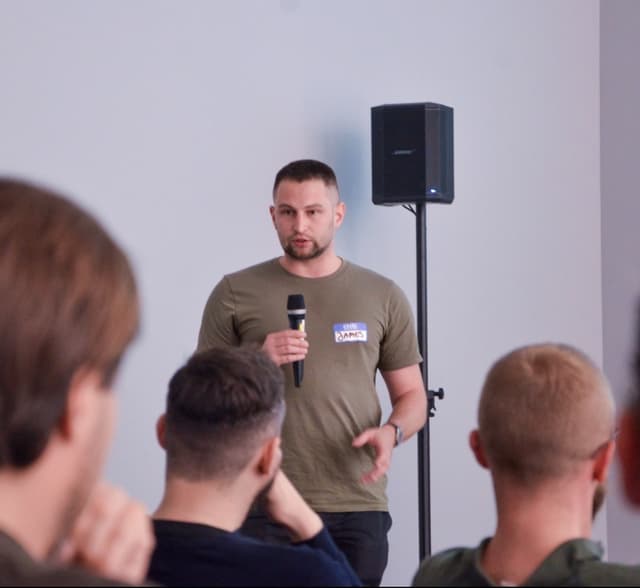
I began tutoring students 1-1, building powerful 1-1 intuition. Speaking clubs taught me how think and structure ideas. Facilitation trainings taught me how to unlock that in others. Years of deep therapy taught me how identity and defence mechanisms quietly shape behaviour. Finally, I applied it all coaching Men, transforming doubtful minds through depth, honesty, and accountability.
10000s of hours, over a decade. That work taught me more about influence, trust, communication, and emotional attunement than any academic degree ever could.
I rebuilt my internal foundations, through trial and error.
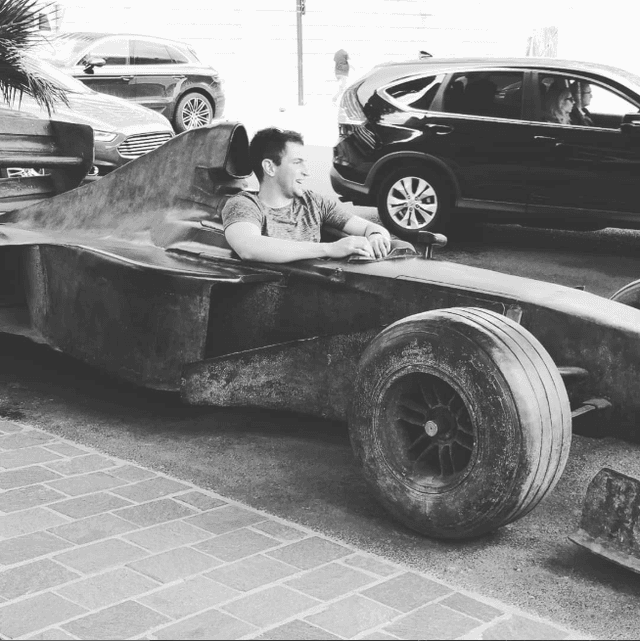
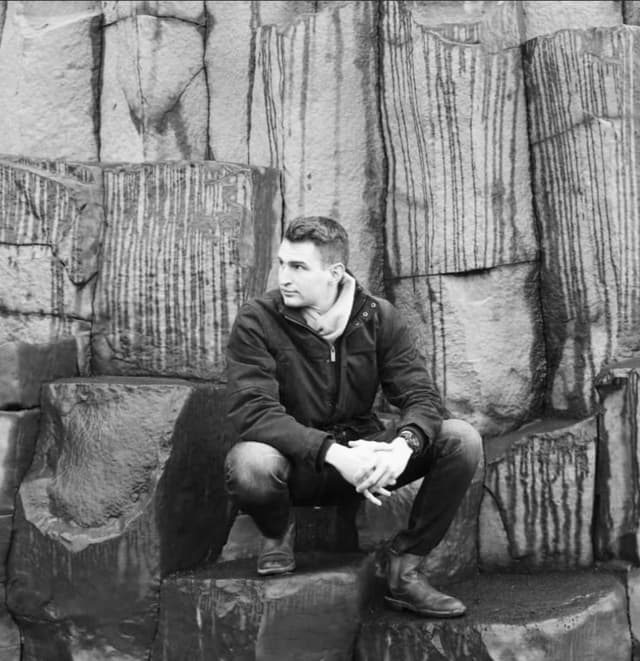
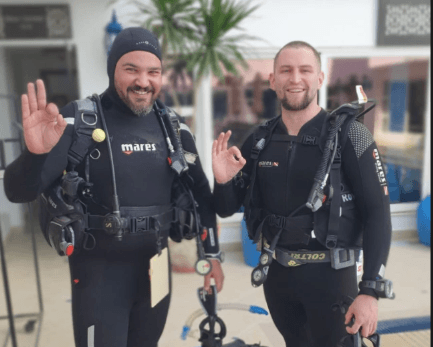
I had some fun along the way too!
Leadership Under Pressure
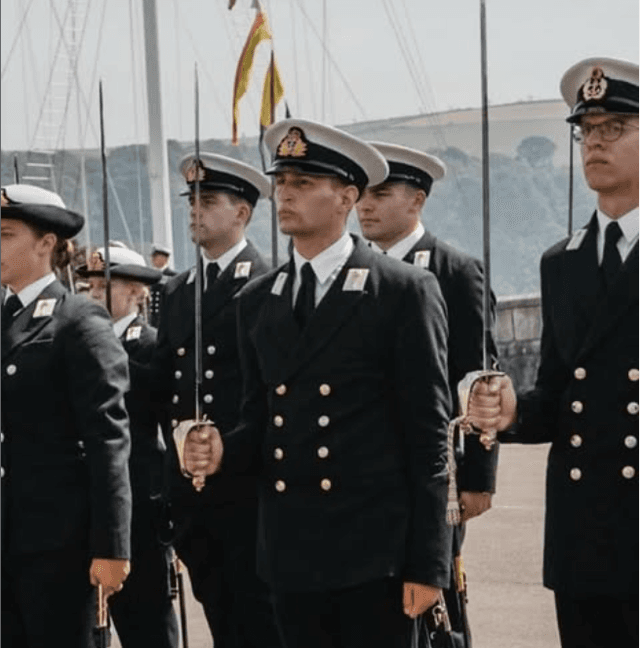
I joined the Royal Navy as an Officer to experience responsibility where consequences were real. I worked in risk management, training, and alongside executive leadership teams. I saw how great leaders behave when pressure rises, when ambiguity grows, and when performance actually matters.
I learned that the strongest leaders were rarely the most charismatic. They were the most regulated, the most structured, and the most internally clean. They set direction clearly. They held boundaries. They made decisions with minimised ego distortion. They created environments where others could function well.
Most importantly, I realised that leadership could be taught. Just as the military showed me how to lead. I could distil and share the models, approaches and best practices to help other leaders level up.
From Pattern Recognition to Practice
My background across elite education, military environments, psychological work, and facilitation allows me to see beneath behaviour and address root causes.
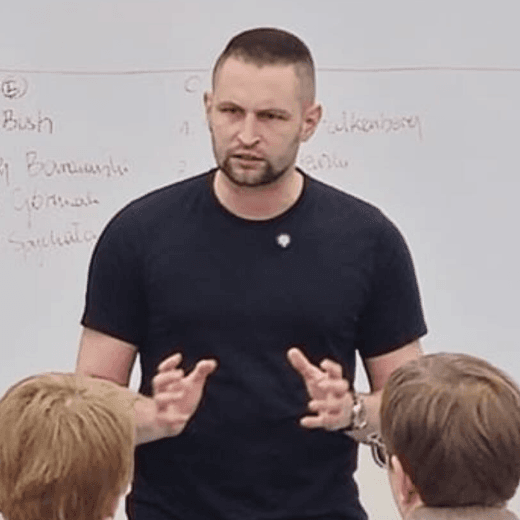
Over time, people began coming to me for guidance. In groups. In professional settings. In private conversations. Men struggling with identity. Leaders carrying too much alone. High performers stuck in cycles of overthinking, avoidance, or exhaustion.
The patterns have consistent themes.
- Intelligent people sabotaged by internal fragmentation.
- Isolated, and becoming the bottleneck because they don't have a team they can trust.
- Exhausted due to communication issues.
- Execution weakened by missing coherence.
- Passion left purposeless, because of missing presence.
What I Do Now
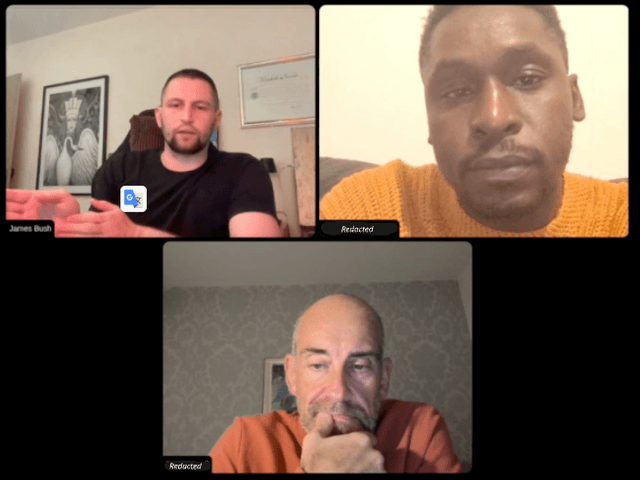
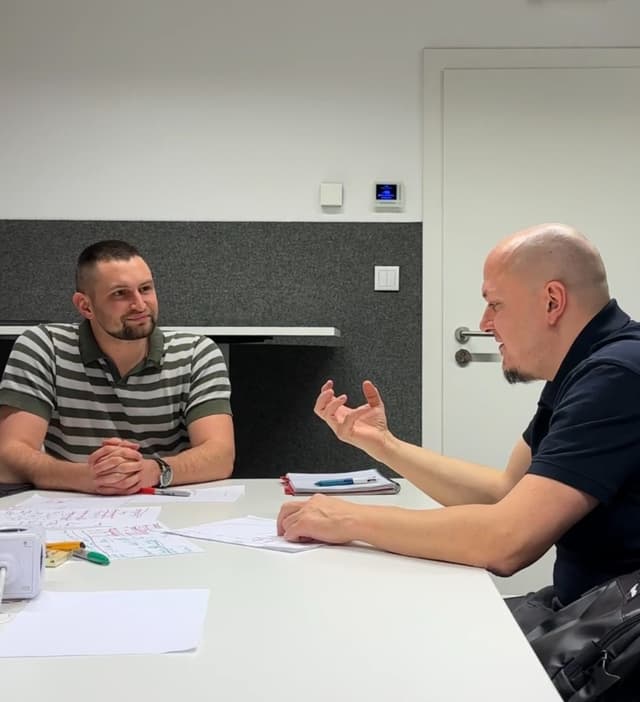
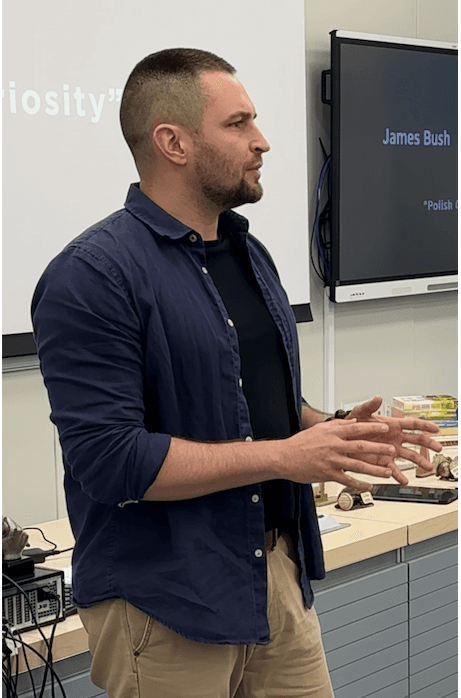
Today I work as an executive and leadership coach for founders, senior leaders, and high-performing men who want depth and honesty.
My work focuses on identity, emotional maturity, decision quality, authority, boundaries, and the internal architecture that makes leadership sustainable.
Clients often tell me they feel both challenged and unusually understood. That's intentional. That's where the magic starts.
Why This Work Matters
I have seen the cost of incoherent leadership. Teams become anxious. Organisations slow down. Culture decays. Relationships fracture. Leaders burn out quietly.
I have also seen what happens when someone develops real internal stability. Their presence changes. Their communication sharpens. Their teams settle. Their decisions improve. Their environment becomes healthier without them needing to force it.
Personal Life
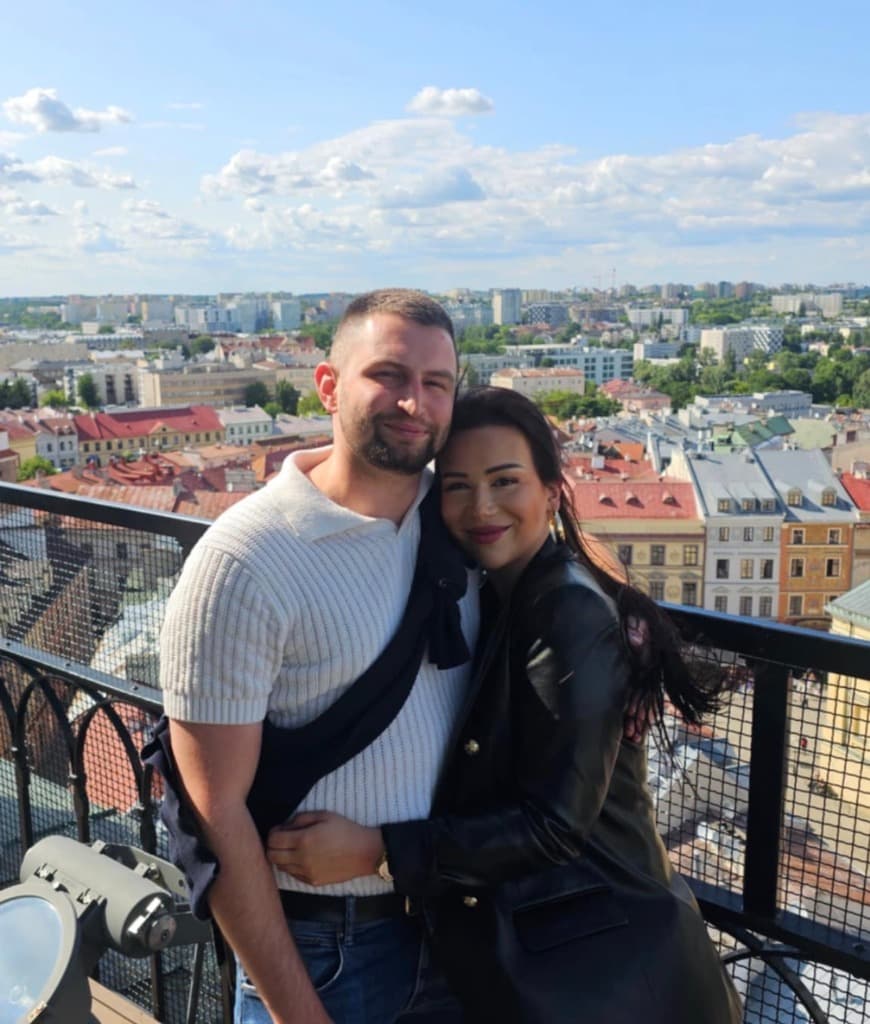
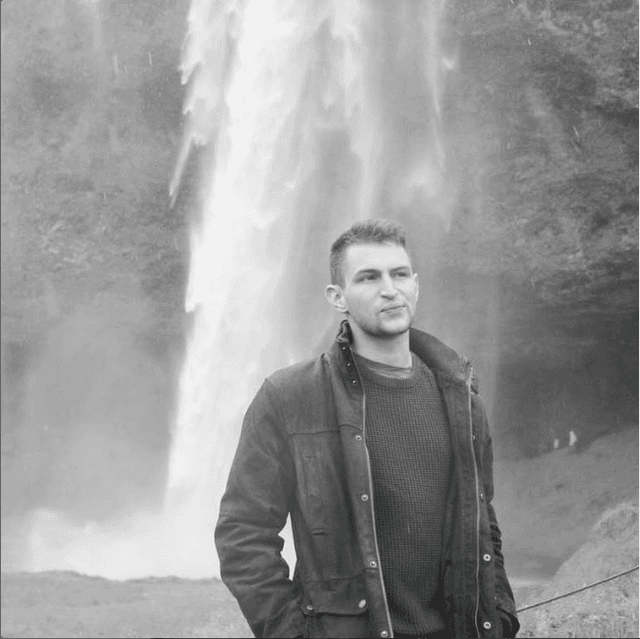
Outside of coaching, I prioritise physical training, solitude, writing, and long-form thinking. My life is structured around discipline and development, not as branding, but because it is necessary for the work I do and the person I continually choose to be.
Trusted By